Turner Luke



University of Wisconsin - Madison, BS: Chemical Engineering, BS: Chemistry
Portfolio
A selection of my work in data engineering, machine learning, and analytics — from end-to-end data pipelines to deployed ML web apps.
CMS Open Data Analytics Platform


A production-grade analytics platform built on 44 public CMS (Centers for Medicare & Medicaid Services) datasets, spanning hospitals, clinicians, nursing homes, home health & hospice, drug spending, and the ACA Marketplace. Dagster orchestrates ingestion through a retry-hardened API client into a DuckDB warehouse; dbt transforms the raw data through staging, conformed dimensions, and analytic marts guarded by roughly 600 data-quality tests; and Evidence.dev renders eight interactive dashboard pages, with the entire warehouse rebuilt from public APIs and redeployed to GitHub Pages by a weekly CI pipeline. Highlights include multi-million-row fact tables (5.4M Marketplace premium scenarios), streaming ingestion of an 8+ GB Open Payments extract on GitHub-hosted runners, and a registry-driven design where adding a new dataset is a single TOML entry.
End-to-End Data Engineering Pipeline

An end-to-end data engineering project that transforms messy, unstructured data into a robust, structured data warehouse using modern tools such as dbt, Polars, duckdb, pydantic, and evidence.dev. The project encompasses data ingestion, cleaning, transformation, and analysis—culminating in interactive dashboards that deliver actionable insights to business stakeholders. Demonstrates an ability to build scalable, reproducible data pipelines and optimize data assets for performance and clarity.
Streaming Lakehouse Demo
A real-time data platform demonstrating the streaming half of a modern data stack. The GitHub Events firehose flows through a Kafka producer/consumer pair into a bronze landing table, dbt transforms it through a silver staging view and gold marts (including an incremental SCD Type 2 repo dimension and an hourly event fact), and Dagster wires the whole thing into a single asset graph so materialization moves in dependency order from API to dashboard-ready tables. The same models run on either DuckDB (local, zero-cost) or BigQuery (cloud) via adapter-dispatched dbt macros, so a handful of uv run dbt commands produce a populated warehouse in ~30 seconds without touching cloud infrastructure. Includes a Redpanda-backed integration test via testcontainers, Terraform-managed GCP scaffolding for the cloud path, and a repo-standards test suite that enforces ruff select = ["ALL"], a typing.Any ban, per-linter parallel CI jobs, and the sprint-per-PR discipline documented in AGENTS.md.
Digit Recognition Web App


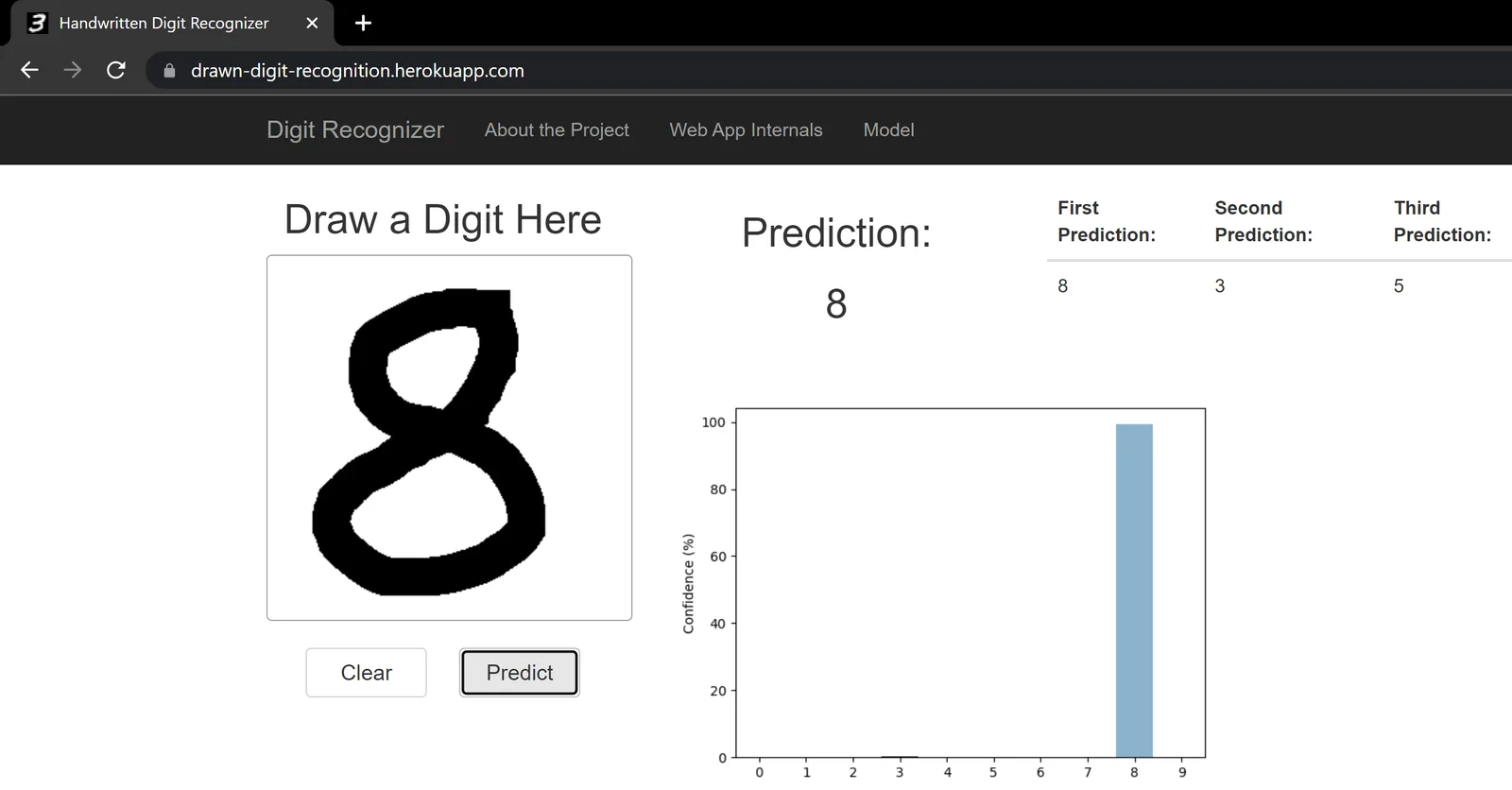
A web app, deployed on streamlit, takes the user’s input as a digit drawing on a canvas and outputs a prediction. This app is my over-engineered take on the “Hello World” of neural networks, digit prediction from the MNIST dataset, which takes the project all the way to a deployed model on a polished website. This web app went through many iterations, starting as a Flask app on Heroku, to the same app on Render, landing now on a streamlit app. The previous implementation in Flask can be found in the GitHub repo.
Data Structures and Algorithms Projects
A collection of projects created during coursework for a graduate-level data structures and algorithms course.
ML Algorithms
A collection of self-made machine learning algorithms. Algorithms are created with the intent of better understanding the processes behind each machine learning algorithm, as well as to communicate technical data science information.
I have constructed the following algorithms:
- K-Nearest Neighbors Classification
- K-Nearest Neighbors Regression
- K-Means Clustering
- Multi-Layer Perceptron Classifier Neural Network
- Multi-Layer Perceptron Regressor Neural Network
- Gradient Descent Least-Squares Optimization with Regularization
Computational Presentations
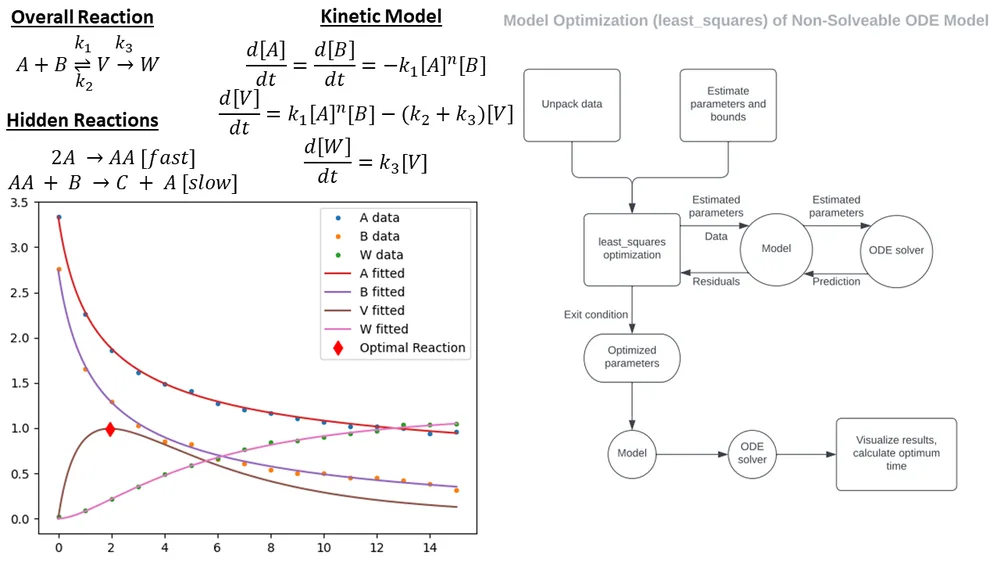
A repository of my presentations from spring 2021 teaching computational coursework to chemical engineering undergraduate students. The course topics were set by the university, however these presentations and the examples with their code were made entirely from scratch.
Coursework covered a variety of numerical methods and data operations, including but not limited to:
- Coding fundamentals
- Data visualizations
- Data operations
- Interpolation
- Solving nonlinear systems of equations
- Numerical integration
- Nonlinear parameter estimation (least squares optimization)
- Numerical solutions to differential equations
Pokémon Card eBay Listing Automation
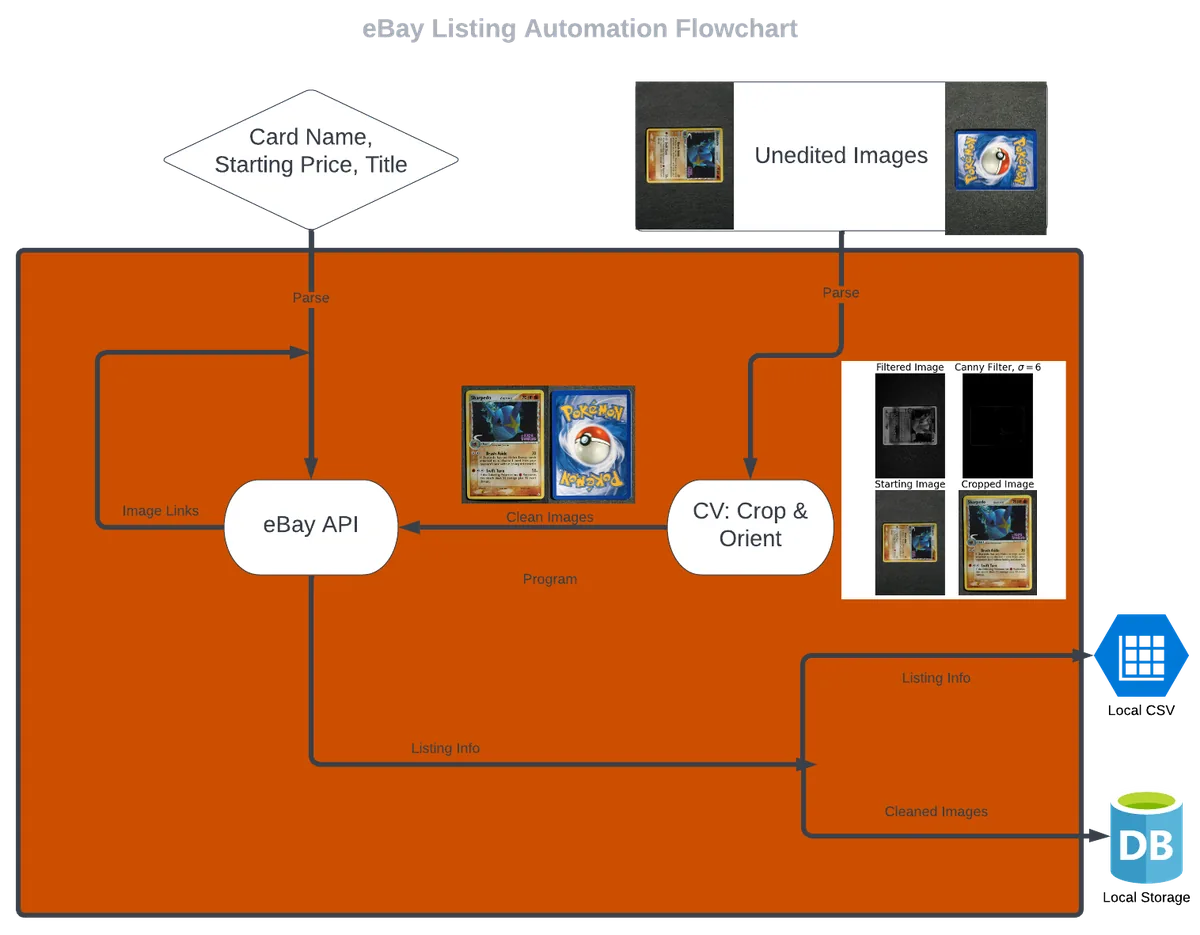
A use-specific automation of a repetitive e-commerce task utilizing an open-source API and computer vision. Use has saved approximately 50 hours of work thus far, and counting.
Red Wine Quality Classification


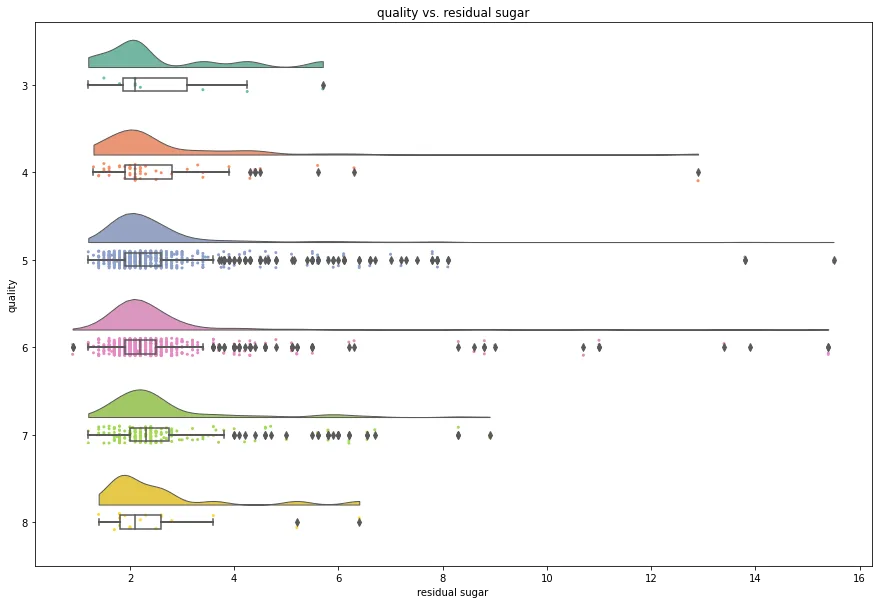
An analysis of the UCI machine learning repository’s red wine quality dataset, to classify wine qualities from their characteristics.
Twitter Sentiment Analysis

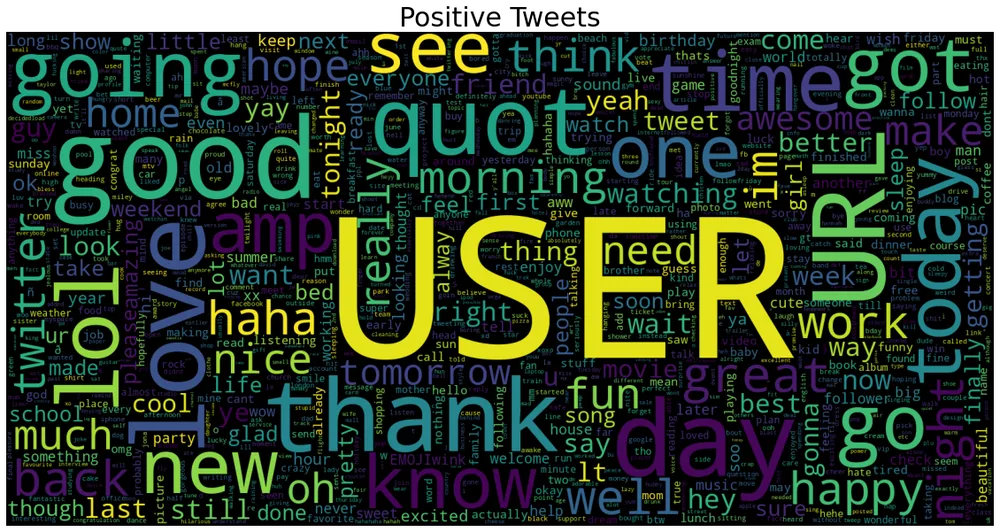
An NLP machine learning pipeline for the Sentiment140 dataset.
SpaceX Landing Analysis
An analysis of datasets on SpaceX launches and landings. Utilizes a wide array of data science concepts, including: Jupyter notebooks, webscraping, APIs, data cleaning, interactive visualizations, dashboard creation, SQL database operation, and ML predictions.